
Call Us: 219.440.2116
Why Schedule Execution Is Everything on Mission-Critical Builds
In mission-critical construction, schedule is not a guideline — it is a commitment tied to:
- Equipment energization
- Commissioning deadlines
- Owner revenue timelines
Every trade either protects the schedule — or puts it at risk.
At Johns Architectural Metal Solutions, we approach façade installation with one core mindset:
Execution must be controlled, documented, and adaptable in real time.
1. Proactive Material Control to Prevent Delays
One of the most common causes of schedule slippage is material timing.
On multiple projects, we have:
- Stored materials in our own facility
- Pre-staged panel systems ahead of site readiness
- Sequenced deliveries based on actual install zones — not theoretical schedules
This allows us to:
- Eliminate jobsite congestion
- Avoid delayed shipments impacting install start
- Mobilize immediately when areas become available
Result:
We control when we’re ready — instead of relying solely on site conditions.
2. Accelerated Schedules with Fatigue Planning
Mission-critical projects often require acceleration.
We’ve executed:
- Extended work hours
- Weekend shifts
- Multi-crew sequencing
But acceleration without planning creates safety risks and productivity loss.
Our approach includes:
- Fatigue management planning
- Rotating crews to maintain efficiency
- Monitoring daily production vs. output decline
- Maintaining safety standards under extended hours
Result:
Acceleration that actually improves schedule — without burning out crews or increasing risk.
3. Real-Time Documentation of Delays
One of the biggest failures on construction projects is lack of documentation.
We take a different approach.
When delays occur, we formally document:
- Weather impacts
- Incomplete predecessor work
- Out-of-tolerance substrates
- Access restrictions
- Trade stacking conflicts
This is done in writing, in real time — not after the fact.
4. Protecting the Schedule Through Transparency
By documenting delays early, we establish:
- Clear responsibility
- Impact to installation sequence
- Potential need for acceleration
This allows the project team to make informed decisions:
- Adjust sequencing
- Add manpower
- Approve overtime
- Shift priorities
Instead of reacting late, the team can proactively maintain the master schedule.
5. Defining Responsibility for Acceleration Costs
Acceleration is often required to maintain overall project milestones.
However, not all acceleration is equal.
By clearly documenting impacts, we help define:
- Whether delays are within our control
- Whether delays are caused by site readiness or other trades
- What level of recovery effort is required
This creates alignment on:
- Who is responsible for additional overtime costs
- How recovery plans are implemented
- How schedule integrity is maintained
Result:
No ambiguity. No surprises. Just clear execution.
6. Field-Driven Sequencing, Not Just Schedule Sheets
Schedules on paper rarely match field conditions.
We continuously adjust based on:
- Actual install readiness
- Trade progress in adjacent areas
- Access and equipment limitations
- Inspection approvals
This allows us to:
- Shift crews efficiently
- Maintain production continuity
- Avoid downtime
Result:
We install where work is ready — not where the schedule hoped it would be.
7. Execution Over Excuses
Mission-critical construction does not reward explanations.
It rewards results.
Our responsibility is to:
- Identify problems early
- Communicate them clearly
- Provide solutions
- Execute recovery plans
Whether that means:
- Adjusting manpower
- Extending hours
- Re-sequencing work
We focus on maintaining forward progress.
Final Thought: Schedule Protection Requires Ownership
Any subcontractor can follow a schedule.
Mission-critical partners protect it.
That requires:
- Planning beyond the site
- Managing material logistics
- Executing controlled acceleration
- Documenting impacts in real time
- Communicating transparently with the project team
At Johns Architectural Metal Solutions, we understand that our scope directly impacts project success.
And we take ownership of that responsibility.
Because in mission-critical construction, staying on schedule isn’t luck — it’s execution.
Posts You May Also Like
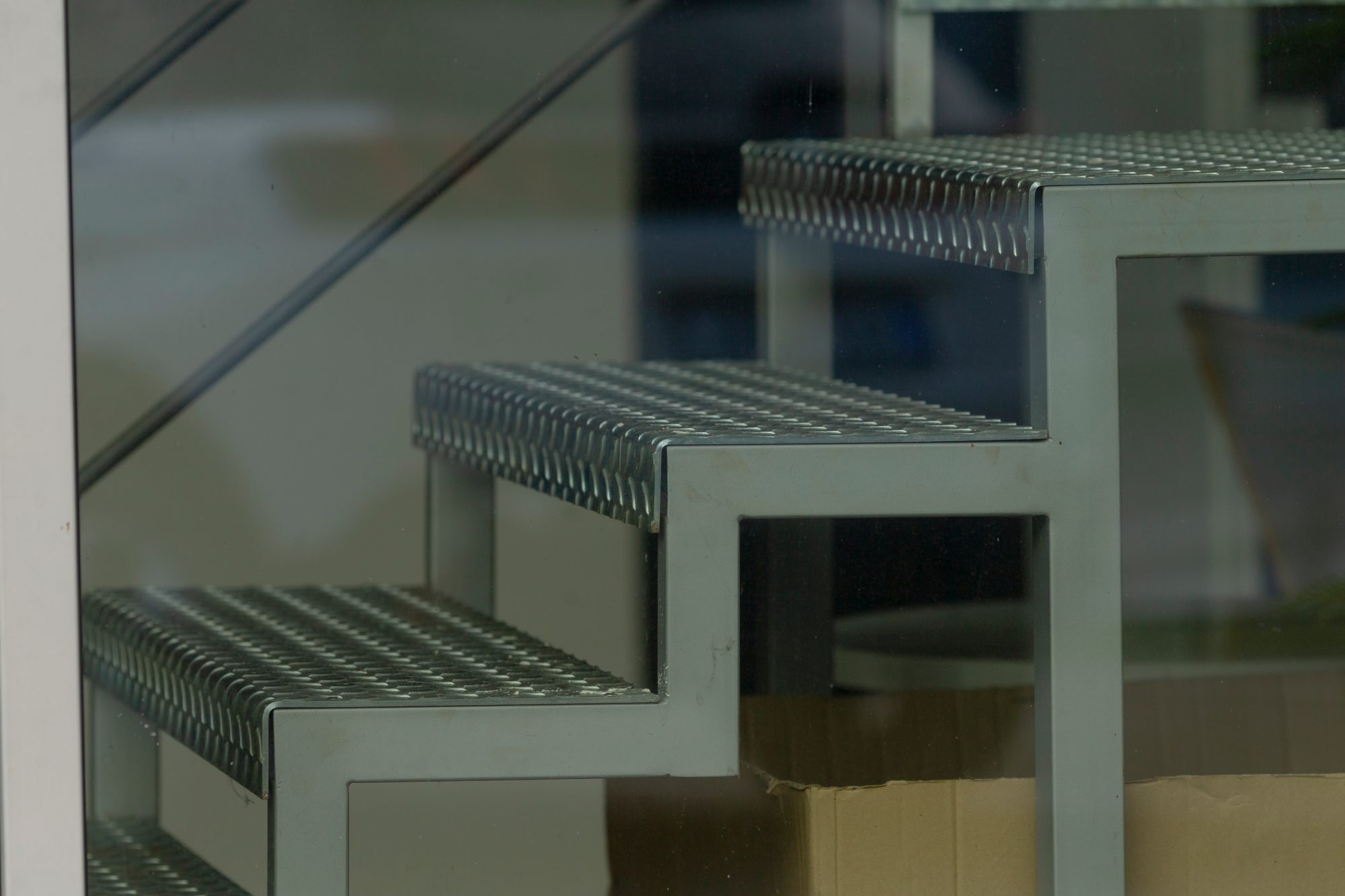
The Role of Contemporary Fabricators in the Design Process
The role of the fabricator has changed. No longer brought in at the tail end of a project, contemporary fabricators now…
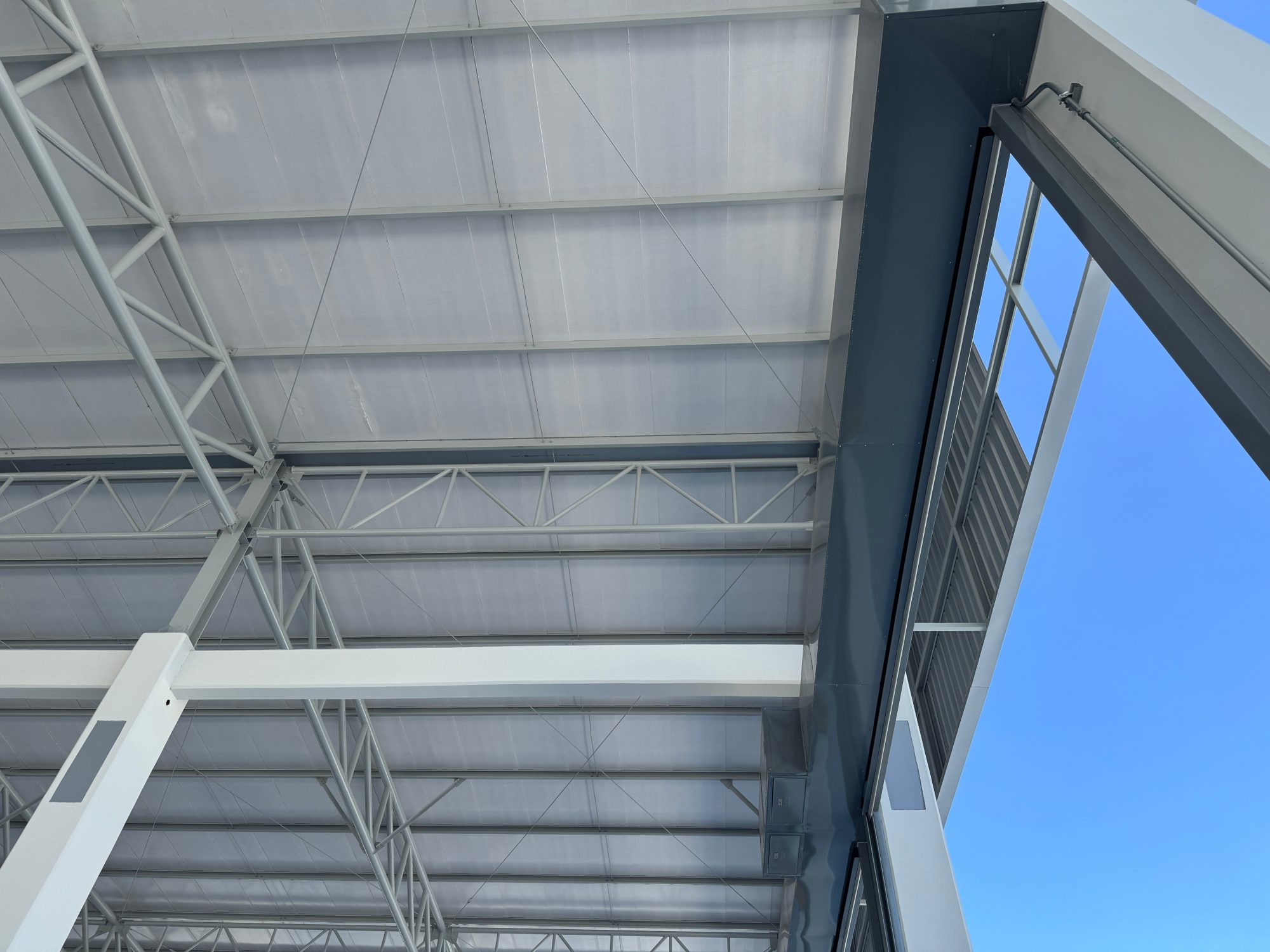
How Insulated Metal Panels Contribute to Sustainable Buildings
Sustainability has become a core focus for modern construction. Developers and architects actively seek materials that reduce environmental impact while maintaining…
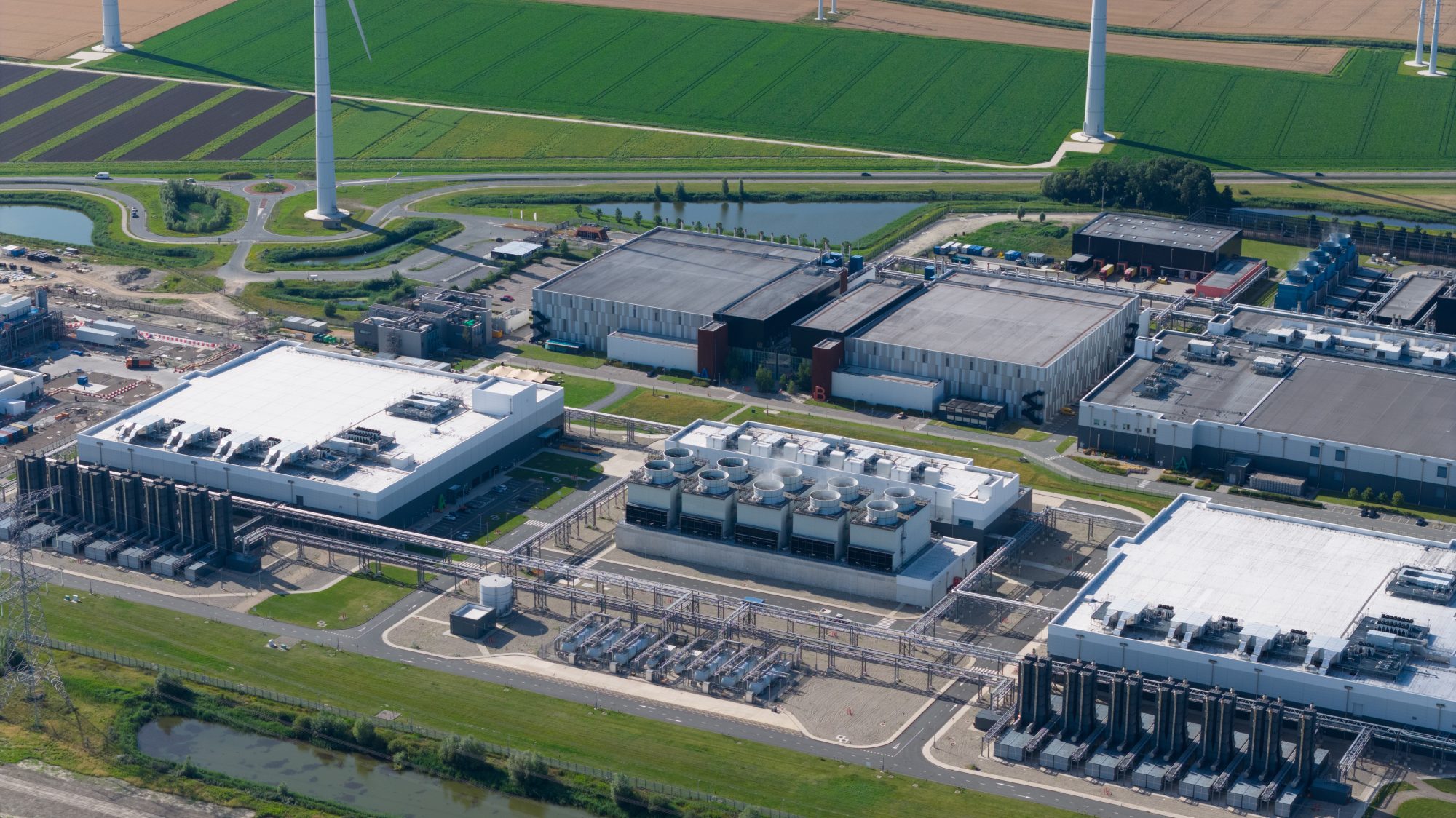
Why Data Center Owners Benefit from a Single-Source Façade Partner
How Johns Architectural Metal Solutions and JAM Panel ACM Reduce Risk, Improve Control, and Support Mission-Critical Schedules When people think about…
Get an instant JAM Panel ACM/MCM estimate online.
Contact Us Today



Call 219.440.2116
Fax 219.695.0779
Address 800 E Porter St, Crown Point, IN 46307
Mail RFQ@jam-sol.com
NUVEW | Copyright 2026 All Rights Reserved | Privacy statement | Accessibility Notice
The information on this website is for informational purposes only; it is deemed accurate but not guaranteed. It does not constitute professional advice. Testimonials are not a guarantee, warranty or prediction of what your experience with us will be. By providing contact information, users acknowledge and give explicit consent to be contacted via the methods of communication provided, including SMS. Message and data rates may apply. Message frequency may vary. Reply STOP to opt out.