In conventional commercial construction, safety is essential.
In mission-critical construction, safety is non-negotiable — and directly tied to schedule performance, owner confidence, and long-term partnerships.
Data centers, hyperscale campuses, and secure facilities operate under a
different standard. These are not projects where trades can “figure it out as they go.” Every worker, every tool, and every process must align with strict safety culture and compliance protocols.
At Johns Architectural Metal Solutions, we recognize that safety is not a checklist
— it is a system.
1. Zero-Tolerance Environment
Mission-critical owners expect:
- Daily JHAs (Job Hazard Analyses)
- Documented pre-task planning
- Fall protection compliance without exception
- Clean housekeeping standards
- Immediate reporting and correction of hazards
There is no margin for shortcuts.
There is no tolerance for repeat violations.
One safety incident can trigger site-wide audits, schedule disruptions, or removal from secure vendor lists.
2. Safety Is Schedule Protection
On hyperscale projects, safety and schedule are directly connected.
A single recordable incident can:
- Shut down work zones
- Trigger GC review
- Require additional oversight
- Delay trade stacking
Mission-critical construction is aggressively sequenced. When exterior façade installation stalls, interior trades and equipment deliveries feel the impact.
Safety discipline protects productivity.
3. Secure & NDA-Compliant Work Environments
Many mission-critical sites operate under:
- Strict access control
- Background checks
- Limited photography
- Controlled information flow
Safety protocols extend beyond PPE.
Crews must understand:
- Site-specific orientation requirements
- Tool accountability
- Access restrictions
- Escort rules in sensitive zones
Compliance is not optional — it is contractual.
4. Elevated Work & Façade Risk Factors
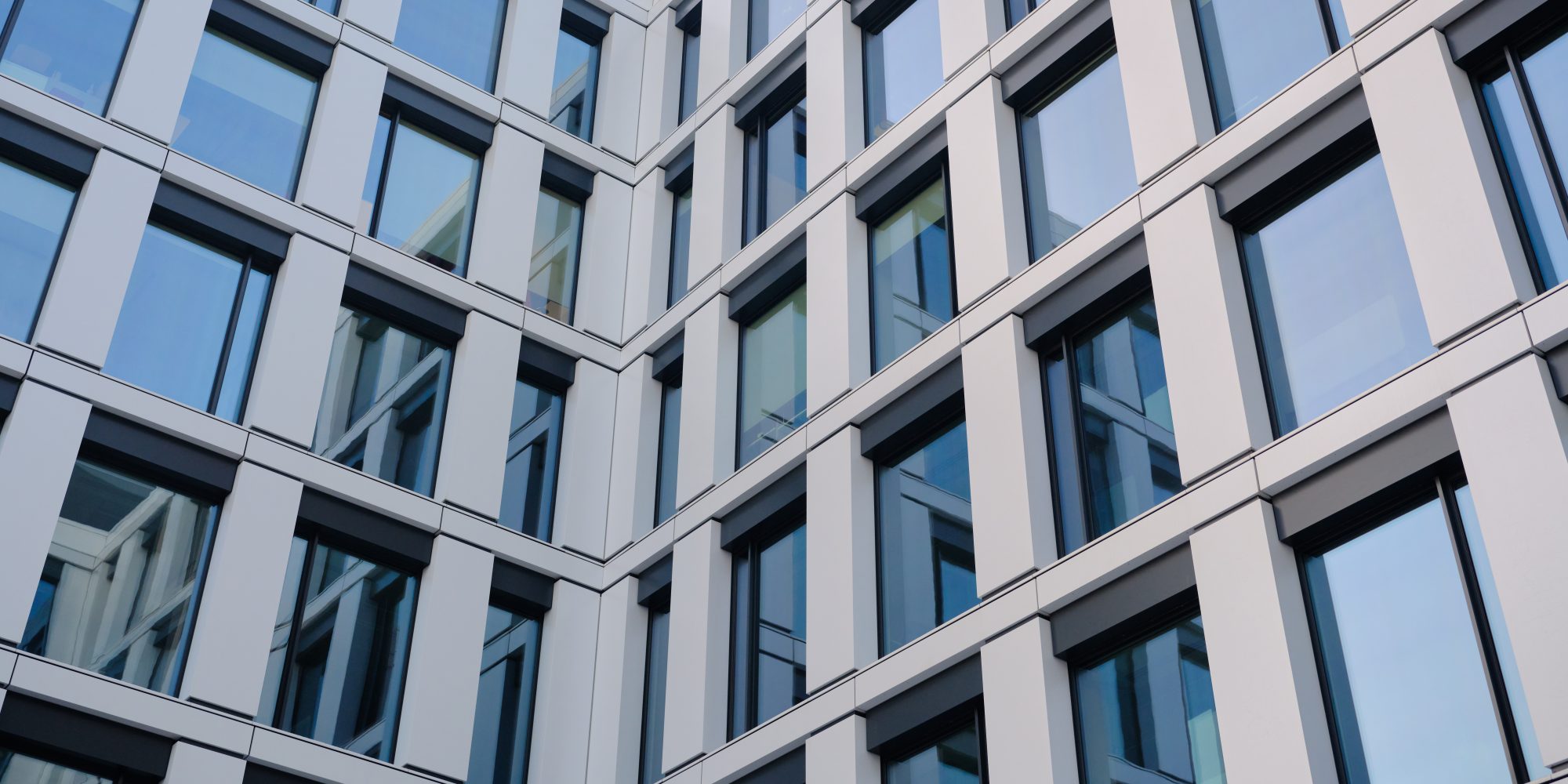
Façade installation on data centers often involves:
- Multi-story boom lift work
- Heavy panel handling
- Mechanical yard screen walls
- Tight coordination with MEP infrastructure
This demands:
- Certified operators
- Proper rigging procedures
- Load management planning
- Lift inspections
- Continuous supervision
Mission-critical projects do not allow improvisation at height.
5. Culture Over Compliance
The difference between average subcontractors and trusted mission-critical partners is culture.
Culture means:
- Workers stop work if something looks unsafe
- Foremen lead safety conversations daily
- Management enforces standards consistently
- Near misses are documented and reviewed
It is not about reacting to problems.
It is about preventing them.
6. Owner Confidence & Long-Term Partnerships
Data center owners prioritize repeat teams. They do not experiment on critical infrastructure.
A subcontractor known for:
- Clean OSHA records
- Professional jobsite conduct
- Organized manpower
- Predictable compliance
Becomes an asset — not a risk.
And in mission-critical construction, reducing risk is the highest currency.
Final Thought: Safety Is Strategic
On mission-critical builds, safety is not a department.
It is a strategic advantage.
It preserves:
- Access to secure projects
- Trust with GCs
- Schedule reliability
- Workforce stability
- Long-term growth in hyperscale markets
In environments where uptime is everything, disciplined execution — including safety — separates qualified subcontractors from mission-critical partners.
If your project demands precision, compliance, and accountability, your façade team must operate at that same level.